
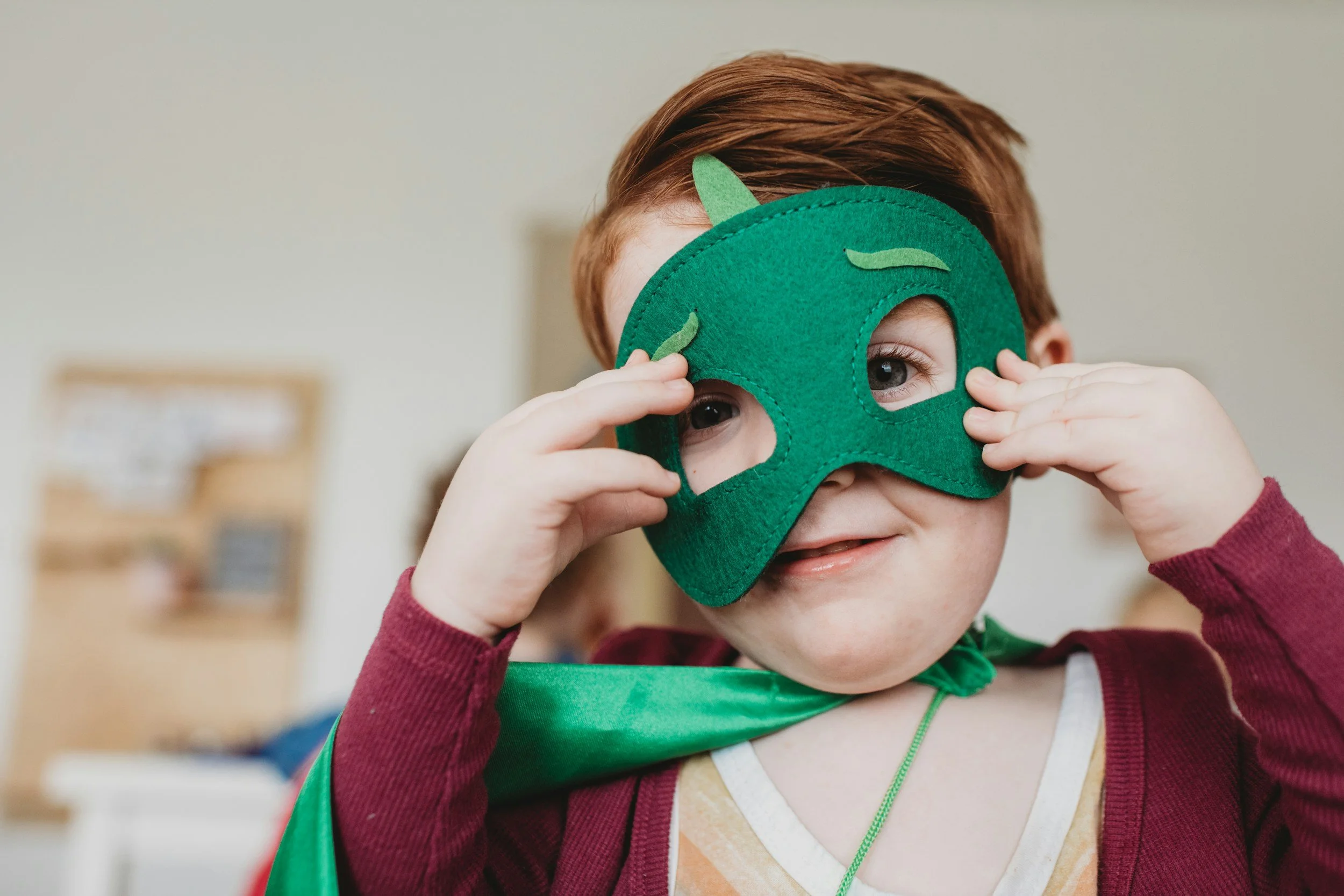
“Toys are used like words by children, and play is their language.”
— Garry. L. Landreth
Why Play Therapy ?
What is Play Therapy?
Play therapy, a form of child counselling, is a developmentally sensitive and evidence based mental health intervention supported by decades of research that shows positive outcomes for children's emotional, behavioural, and social needs. It is delivered by qualified therapists who specialise in play as their primary therapeutic language.
Within the therapeutic relationship, the child feels supported and free to safely explore their feelings, practise and master new skills, build resilience, strengthen their inner resources, and develop a growing sense of self-acceptance.
Why Play?
Children speak play! They show us what they are working through long before they can explain it. This is because the parts of a child’s brain that control emotions develops much faster than the parts that control verbal language. Play is their natural medium for communication and the way they make sense of their world.
Sometimes a child’s feelings may be too big or scary to express directly, so play also provide a safe and indirect way for children to express and process difficult experiences without becoming overwhelmed and in a way that feels manageable.
Benefits
Play Therapy is generally suitable for children aged between 3-12 years. It can be beneficial for:
Anxiety
Emotional regulation difficulties
Life transitions like parental separation
Bullying or difficulties with friendships
Grief and loss
Behavioural challenges
Chronic illness
Trauma or stressful experiences.